I’m embarrassed how long it’s taken me to get back into writing. I’m ashamed that I prioritized so many things that writing just slipped away. Since I graduated, I’ve been searching for clarity, peace of mind, or just something to hold onto. I wrote a couple of articles post graduation, but I still failed to keep up on all my grand plans. Complete exhaustion isn’t an excuse, but that’s what happened, unfortunately. It wasn’t until I wrote a blog post about Star Wars for work that I realized I need to begin writing for my own pleasure again. I’m rusty; I’m pretty disappointed in myself, but I must move on, right?
I bought a camera once I graduated with the hope of photographing landscapes. I thought my camera would be the reason why I begin exploring my own city. I was inspired by a high school friend who is a great nature photographer. Boy, was I wrong. Instead of exploring the city, I ended up in cemeteries. But then again, cemeteries are cities of their own.
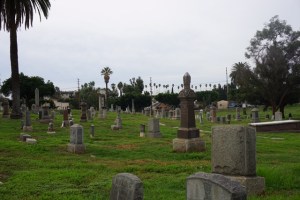
Ani Mnatsakanyan, Evergreen Cemetery, 2015.
I have always taken death lightly because I accepted its inevitability a long time ago. Photographing tombstones and cemetery landscapes was a cathartic experience for me as an art historian and as someone who just picked up a camera. I found peace within the overgrown weeds, broken angel sculptures, and mausoleums. I marveled at the beautifully morbid gallery of sculptures that adorned tombstones of loved ones, young and old.
In cemeteries, the sculptors are nameless and their works are more susceptible to damage. In fact, it’s easy to overlook the effort that goes into creating tombstones. Generally people go to cemeteries to visit the graves of loved ones. Understandably, the last thing on their minds would be the tombstones and sculptures. In addition, cemeteries are seen as dark and depressing places, so tombstones and statues similarly fall into that category. As much as conservators work to maintain the tombstones, these works of art don’t always get the respect they may deserve from the general public. For instance, take a look at the following sculpture.
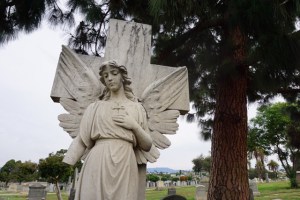
Ani Mnatsakanyan, Evergreen Cemetery, 2015.
The angel’s eyes are cast downwards towards the deceased body, the white stone representing purity, and a [broken] right arm open as a gesture of comfort. This angel is as unique as a Renaissance painting of the Virgin Mary with Child, but to the person that must come face to face with the decaying body of a loved one, it eases the encounter.
To all the artists that sculpt the countless angels, crosses, busts, and other symbols without recognition, your work is appreciated. Whether or not you’re in art history books, you are on the art historical timeline. The living and the deceased survive around the artworks you create. While there’s no wall label crediting you, you are the reason why some people come to terms with death and find peace within the confines of the cemetery walls. The nightmare of physically losing somebody is eased as the work of art comforts the living. Cemeteries provide people like me a cathartic experience because of the artists that animate them with sculptures.
 theUNTITLED